

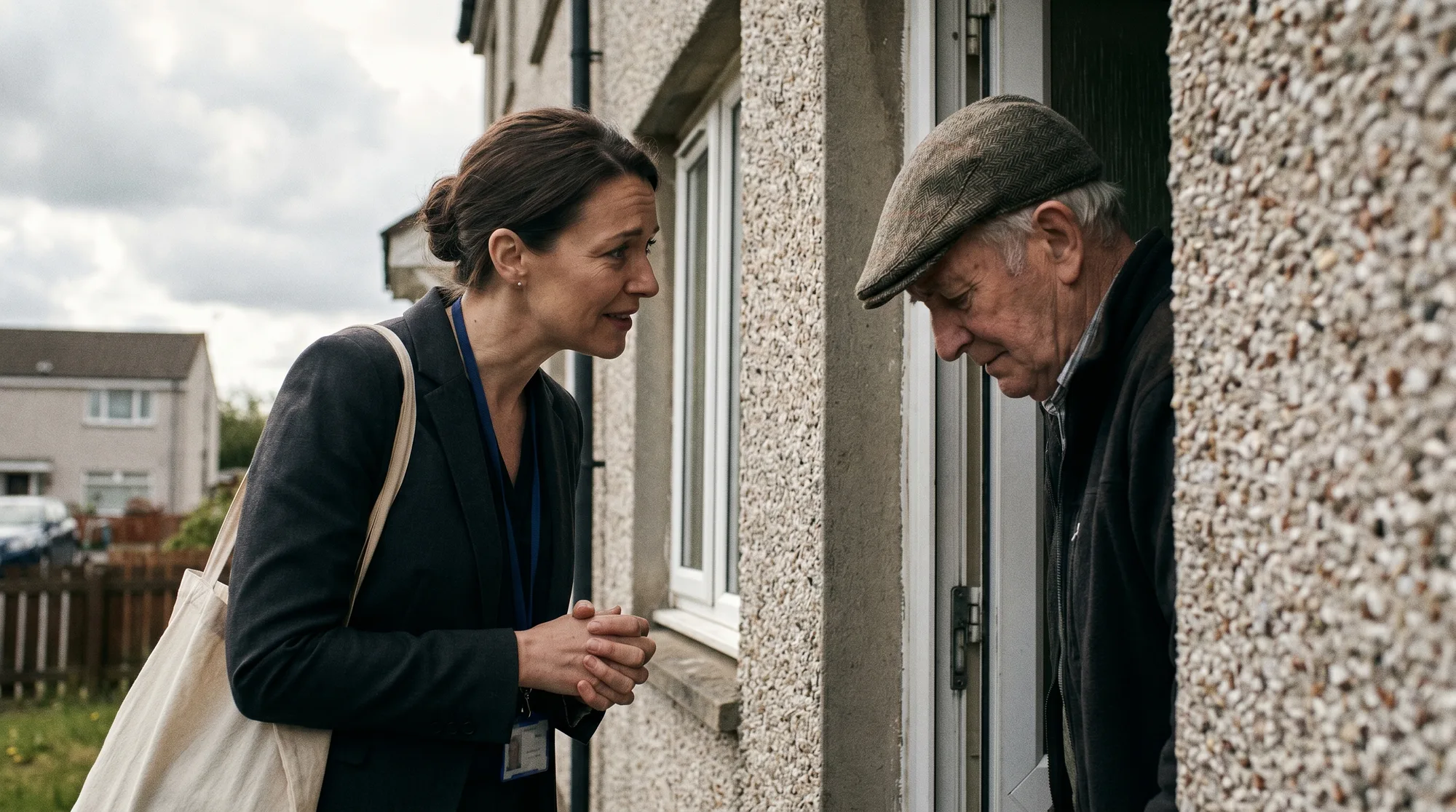
A welfare visit in social housing is unlike any other property visit. You're not checking a boiler or photographing a void. You're knocking on someone's door - often someone vulnerable, sometimes someone who has reasons to be wary of an official caller - to see how they're doing and whether their home is safe. The property is almost beside the point. The visit is about the person, and that changes everything about how it should be done.
Why these visits matter more, not less
Tenancy and welfare visits have moved from a box-ticking exercise to a frontline duty. Regulatory expectations on landlords have tightened: knowing your stock, knowing your tenants, spotting hazards before they become harm, identifying residents who need support before a crisis. A welfare visit is often the only point at which a landlord actually sees how someone is living - whether the home is overcrowded, whether there's damp the tenant hasn't reported, whether someone is struggling and no one has noticed.
That makes consistency and coverage a genuine safeguarding issue. A visit programme that only reaches half the households it's meant to, or that varies wildly depending on who turns up, isn't just inefficient - it leaves real people unseen.
Respect is a method, not a mood
Doing these visits respectfully isn't about being nice on the day. It's about a consistent approach that treats the resident as a person with dignity and rights, every single time:
- Proper notice and identification - the resident knows who's coming, when, and can verify the caller is genuine at the door.
- A calm, unhurried manner - a welfare visit done in a rush feels like an inspection of the person, not their home.
- Cultural and personal sensitivity - awareness that a stranger at the door means different things to different households.
- Clear purpose - the resident understands why you're there and what happens with what you observe.
- Knowing when to escalate - recognising a safeguarding concern and routing it to the right team, not just noting it and leaving.
A welfare visit should leave a resident feeling looked out for, not checked up on.
The scale problem
The tension is obvious. Doing these visits well takes time, care and the right person - and there are an enormous number of them to do. A housing officer's caseload makes a full, regular visit programme almost impossible to sustain alongside everything else they carry. The visits that get skipped are rarely the easy ones; they're the hard-to-reach households where a visit matters most.
Hiring more officers is slow and expensive, and the demand isn't flat - it surges around stock-condition drives, regulatory deadlines and seasonal pressures. So the programme runs short, and the gap is filled with phone calls that don't see the home or letters that go unanswered.
Flexible, hand-picked capacity - done the right way
There's a real opportunity to extend reach by treating the routine, well-defined welfare and tenancy visits as capacity you can flex up - provided the people doing them are vetted to the standard the work demands. In this context that bar is high: background checks appropriate to the work, training in how to conduct a respectful visit, and a clear protocol for spotting and escalating concerns.
Done that way, a landlord can cover more households, more regularly, without leaning on an overstretched officer team - and crucially without lowering the standard of the visit itself. The officers keep the complex casework and the relationships; the broad, regular coverage gets done by people trained and checked to do it properly.
The record protects everyone
A structured, respectful record of each visit serves the resident as much as the landlord. It evidences that the duty was discharged, captures any hazard or support need spotted, and creates a trail that the right team can act on. Done consistently - same format, time-stamped, with concerns flagged for escalation - it turns a scattered programme into something you can actually demonstrate and improve.
How Seeky fits
Seeky provides social-housing landlords with a hand-picked workforce for tenancy and welfare visits, occupancy checks and stock-condition visits - at a transparent price, with a consistent, respectful approach and a structured report for every household. You extend your reach and meet your obligations without overloading your officers, and every visit comes back with a record you can stand behind. See how the vetting works.
See how Seeky covers your branch
Hand-picked Seekers handle the viewings, inspections and visits you can't staff - at a price you see before you book.
Seeky for agents