

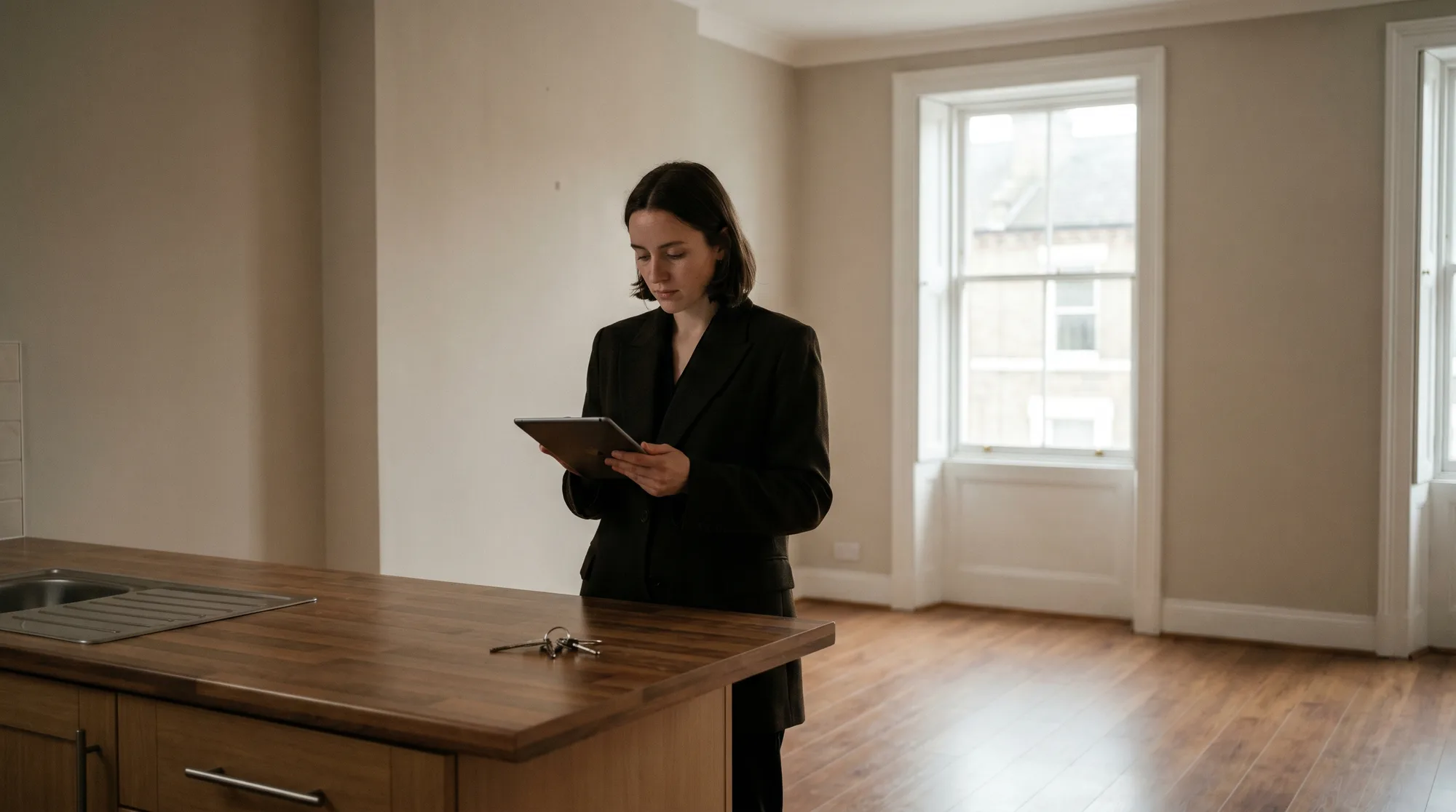
Handover day is the moment a new-build stops being a promise and becomes someone's home. It's also the moment a developer's reputation is most exposed: the buyer is excited, alert, and looking closely. A good handover - calm, thorough, evidenced - sets the tone for the whole relationship. A rushed one, with snags missed and nothing written down, becomes a dispute three weeks later that no one can resolve because no one recorded the state of the property on the day.
Why the walk-through is a real risk moment
Completion carries obligations that a casual once-over doesn't satisfy. The walk-through is where defects should be logged, demonstrations given, and the condition of the unit agreed while everyone is present. Get it wrong and the costs land later:
- Missed snags become warranty claims, often contested, always more expensive to fix after move-in.
- No record means a "was it like that on the day?" argument with no answer.
- Inconsistent handovers across a development make the developer look disorganised exactly when buyers are forming first impressions.
The cheapest time to log a snag is on handover day, with the buyer standing next to you. Every day after that, it gets more expensive and more contested.
What "evidenced" actually means
A defensible handover isn't a longer checklist - it's a recorded one. Each item is captured with a timestamped, geo-tagged photo, noted against a consistent snag-light template, and delivered as a structured report rather than scribbles on a clipboard. If a question arises later, the answer already exists: here is the property, on this date, in this state, agreed by these people.
Consistency across a development
Volume is the developer's other challenge. A phase completes in a cluster - a dozen handovers in a fortnight - and each one needs the same standard. Staffing that peak in-house means either idle capacity between phases or a scramble during them. On-demand cover scales to the completion schedule: hand-picked local people run handovers to the same template across the development, so unit fifty is documented as carefully as unit one.
How on-demand handover cover works
When a unit completes, you book a visit. A Seeker attends, runs the walk-through to your snag-light brief, captures timestamped media of every flagged item, and returns a structured report to the dashboard - all at a price agreed before the visit. The whole attendance is tracked end to end: arrival check-in, live location, automatic check-out. You get a clean, consistent, defensible handover record for every unit, without carrying a handover team between phases.
The quiet payoff
A well-run, evidenced handover does more than close out a unit. It tells the buyer they've bought from a serious operation, it shrinks the warranty-dispute tail, and it gives the developer a clean dataset on which snags recur across a phase - turning handover day from a reputational risk into a source of build-quality intelligence.
See how Seeky covers your branch
Hand-picked Seekers handle the viewings, inspections and visits you can't staff - at a price you see before you book.
Seeky for agents